How to Grow Kerria: A Complete Guide to Growing the Beautiful Spring Flowering Shrub

How to Grow Kerria
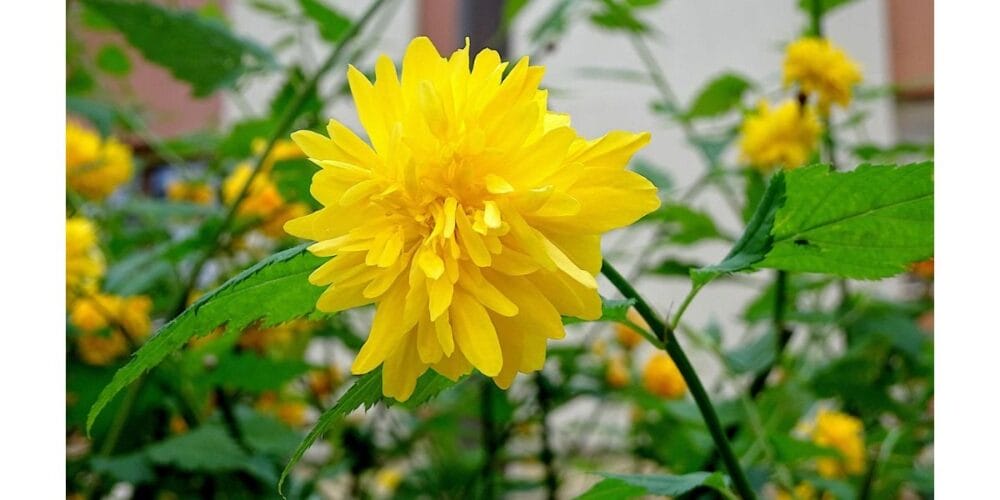
Kerria japonica, commonly known as Japanese Rose, is a charming ornamental shrub admired for its bright yellow flowers and graceful arching branches. Native to parts of East Asia, this deciduous shrub is a favorite among gardeners because it is easy to grow, hardy, and requires minimal maintenance. Kerria blooms in early spring, bringing cheerful color to gardens when many other plants are still dormant.
If you want to add a vibrant, low-maintenance flowering shrub to your garden, Kerria is an excellent choice.
In this guide, we will cover everything you need to know about growing Kerria successfully.
Overview of Kerria Plant
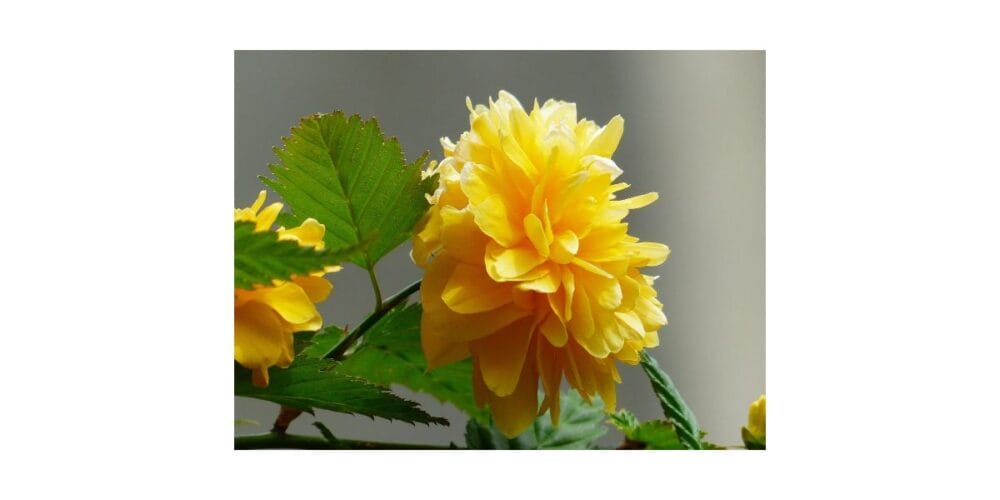
Kerria is a medium-sized shrub that can grow between 1.5 to 3 meters tall. Its bright green stems remain attractive throughout the year, while the small rose-like yellow flowers appear mainly during spring. Some varieties may even bloom again lightly in autumn.

Gardeners appreciate Kerria for its ability to grow well in partially shaded areas where many flowering plants struggle. It works well in hedges, borders, woodland gardens, and ornamental landscapes.
Ideal Climate for Growing Kerria
Kerria thrives in temperate climates and adapts well to mild weather conditions.
Temperature:
The plant grows best in temperatures between 10°C and 25°C.
Sunlight:
Kerria grows well in partial shade to full sun, although partial shade often produces healthier plants and longer-lasting flowers.
Humidity:
Moderate humidity is ideal. The plant is hardy and can tolerate varying environmental conditions.
Best Soil for Kerria
Healthy soil is important for proper growth and flowering.
Soil Type:
Kerria grows best in well-drained loamy soil rich in organic matter.
Soil pH:
A slightly acidic to neutral soil with a pH between 6.0 and 7.0 is ideal.
Soil Preparation:
Before planting, mix compost or well-rotted manure into the soil. This improves fertility and drainage.
Also Read: Tulip Flower Cultivation: A Complete Guide for Gardeners and Growers
Propagation Methods
Kerria can be propagated easily through several methods.
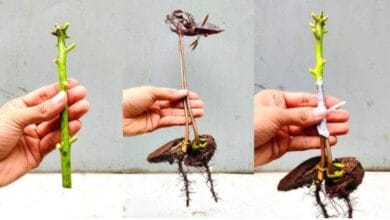
1. Stem Cuttings
This is the most common and reliable method.
Steps:
- Take a healthy 10–15 cm long cutting from a mature plant in late spring or summer.
- Remove the lower leaves.
- Dip the cut end in rooting hormone (optional).
- Plant the cutting in moist potting soil or sand.
- Keep the soil slightly moist until roots develop.
Roots usually form within 4–6 weeks.
2. Layering
Because Kerria branches are flexible, layering works very well.
- Bend a low branch to the ground.
- Cover part of the stem with soil.
- Roots will develop in a few weeks.
- Once established, cut the new plant from the parent shrub.
Planting Kerria
The best time to plant Kerria is early spring or autumn.
Planting Steps:
- Dig a hole twice the size of the root ball.
- Place the plant carefully in the hole.
- Fill the hole with soil mixed with compost.
- Water thoroughly after planting.
- Apply mulch around the base to retain moisture.
Maintain 1.5–2 meters spacing between plants if you are planting multiple shrubs.
Watering Requirements
Kerria prefers moderately moist soil but does not tolerate waterlogging.
- Water once or twice a week during the growing season.
- Reduce watering during rainy periods.
- In hot summers, increase watering slightly.
Mulching with organic materials such as bark or straw helps retain soil moisture.
Fertilizer Management
Kerria does not require heavy fertilization, but occasional feeding encourages better growth and flowering.
Recommended Fertilizer:
- Apply well-rotted compost or organic manure in early spring.
- A balanced fertilizer such as NPK 10:10:10 can be applied once during the growing season.
For gardeners who focus on plant nutrition (like many agricultural writers do), micronutrients such as iron and magnesium can also help maintain lush green foliage.
Pruning and Maintenance
Pruning is essential to maintain shape and encourage healthy flowering.
Best Time to Prune:
Prune immediately after flowering in late spring.
Pruning Tips:
- Remove old or damaged branches.
- Cut back overly long stems to maintain a neat shape.
- Remove weak shoots from the base.
Kerria flowers on previous year’s growth, so avoid heavy pruning in winter.
Also Read: How to Grow Allamanda: A Complete Guide to Growing the Golden Trumpet Flower
Common Pests and Diseases
Kerria is generally resistant to pests and diseases, but occasional problems may occur.
1. Aphids
These small insects suck plant sap and weaken the plant.
Control:
Use neem oil spray or insecticidal soap.
2. Leaf Spot
Fungal infections may cause dark spots on leaves.
Control:
Ensure good air circulation and avoid overhead watering.
3. Powdery Mildew
This appears as white powder on leaves during humid conditions.
Control:
Apply appropriate fungicides and maintain proper spacing between plants.
Landscaping Uses of Kerria
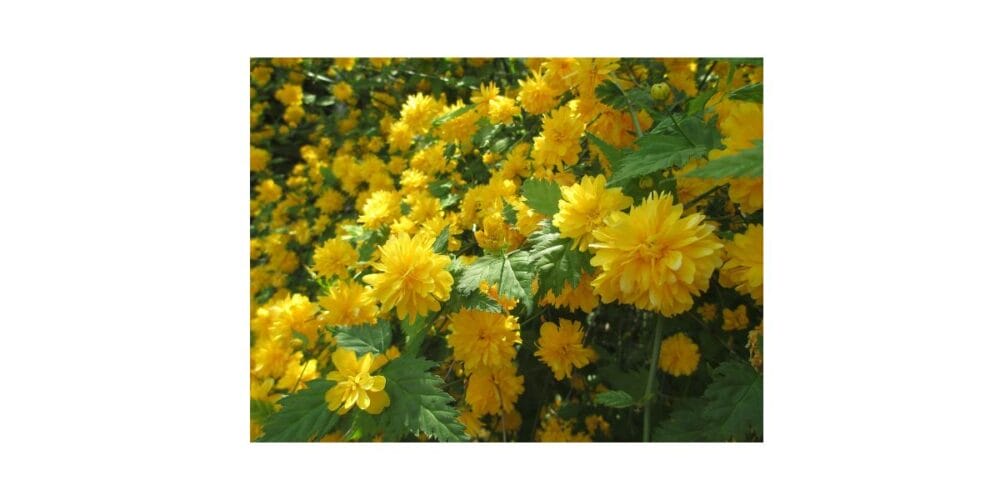
Kerria is widely used in ornamental gardening because of its bright flowers and graceful growth.
Popular uses include:
- Garden borders
- Woodland gardens
- Informal hedges
- Cottage gardens
- Shaded garden areas
The vibrant yellow flowers create a striking contrast with green foliage and other flowering plants.
Benefits of Growing Kerria
Growing Kerria offers several advantages for gardeners:
- Easy to grow and low maintenance
- Beautiful spring flowers
- Tolerates partial shade
- Suitable for small gardens
- Good ornamental landscape plant
- Attracts pollinators like bees
Because of these qualities, Kerria is often recommended for beginner gardeners.
Also Read: Pansy Flowers Cultivation: A Complete Guide for Beginners
Frequently Asked Questions (FAQs)
1. How long does Kerria take to bloom?
Kerria typically begins flowering in early spring, usually within one year of planting.
2. Can Kerria grow in shade?
Yes, Kerria grows very well in partial shade, making it ideal for shaded gardens.
3. How tall does Kerria grow?
Most Kerria plants grow between 1.5 and 3 meters in height.
4. Is Kerria suitable for hedges?
Yes, its dense growth and arching branches make it suitable for informal hedges and borders.
Final Thoughts
Growing Kerria japonica is a rewarding experience for gardeners who want a hardy, low-maintenance flowering shrub. With the right soil, moderate watering, and occasional pruning, Kerria can thrive for many years and produce bright yellow blooms every spring.
Whether you are designing a decorative garden, creating borders, or adding plants to a shaded area, Kerria is a wonderful choice that brings beauty and color to your landscape with minimal effort.
Also Read: About How to Grow Kerria on https://www.bhg.com/gardening/plant-dictionary/shrub/kerria/ Site